Garafraxa Turf Inc

How to Choose the Right Plants for Your Garden: Tips for Every Season

Designing a beautiful garden is like composing a symphony—each plant plays its part, contributing to the overall harmony and beauty of the space. Whether you’re a seasoned gardener or just starting out, selecting the right plants for your garden can be a rewarding journey that transforms your outdoor space into a vibrant oasis throughout the year. In this guide, we’ll walk you through essential tips for choosing the perfect plants for every season, ensuring that your garden remains a thriving, dynamic space regardless of the weather.

Understanding Your Garden’s Unique Environment

Before diving into plant selection, it’s important to understand the specific conditions of your garden. Every garden has its own microclimate, influenced by factors like sunlight exposure, soil type, drainage, and wind patterns. Take some time to assess your garden’s environment:

Sunlight: Identify which areas receive full sun, partial shade, or deep shade throughout the day.

Soil Type: Determine whether your soil is sandy, clayey, or loamy.

Moisture Levels: Notice areas with excellent drainage versus spots that tend to retain water.

Temperature and Wind: Microclimates can vary dramatically, especially in larger gardens. Consider how temperature fluctuations and wind exposure might affect plant growth.

Seasonal Planting: Embracing the Cycle of Nature

A successful garden is one that evolves with the seasons. Each season offers unique opportunities to showcase different plants that bloom, add color, or provide texture. Here’s a breakdown of what to consider during each season:

Spring: A Burst of Renewal

Spring is synonymous with renewal and growth. As the weather warms up, it’s the perfect time to introduce a mix of perennials and annuals that thrive in cooler temperatures. Consider the following tips for a vibrant spring garden:

Plant Early Bloomers: Look for bulbs like tulips, daffodils, and crocuses that add a splash of color as soon as the soil warms.

Mix Textures and Colors: Combine delicate flowering plants with bold foliage to create visual interest.

Prepare for Summer: Incorporate some drought-tolerant species early on to ensure your garden is prepared for the hotter months ahead.

Summer: The Season of Abundance

Summer is when your garden should burst into life, offering a rich tapestry of colors and textures. Here’s how to make the most of your summer garden:

Heat-Tolerant Varieties: Choose plants that can withstand high temperatures and occasional drought. Succulents, ornamental grasses, and certain perennials are excellent choices.

Regular Watering and Garden Care: Implement a consistent watering schedule. Consider installing drip irrigation or using mulch to help retain soil moisture.

Shade and Shelter: Create shady spots with trees or pergolas where both you and your plants can escape the summer heat.

Autumn: A Canvas of Warm Hues

Autumn brings a stunning palette of oranges, reds, and yellows. It’s a great time to appreciate the changing landscape and prepare for the cooler months:

Fall-Blooming Perennials: Plants like asters, chrysanthemums, and ornamental kale can add a burst of color during the fall season.

Tree and Shrub Foliage: Consider planting trees or shrubs that display vibrant fall colors. These not only enhance the visual appeal but also add structure to your garden.

Seasonal Cleanup: As you transition from summer to fall, remove any dead or dying plants and enrich your soil with compost to prepare for winter.

Winter: Beauty in the Chill

Winter may seem like a quiet time for gardens, but with the right planning, you can still enjoy a dynamic outdoor space:

Evergreens: Incorporate evergreens that provide structure and color during the colder months. They serve as a backdrop for seasonal decorations and add year-round interest.

Winter Bloomers: Some plants, like camellias and witch hazel, bloom during the winter, adding unexpected beauty to your garden.

Protective Measures: Use mulching and other protective techniques to shield tender plants from harsh winter conditions.

Choosing Plants That Complement Your Garden Design

When selecting plants, consider not just their individual characteristics but also how they will interact with each other to create a cohesive garden design. Here are some strategies to ensure your garden remains balanced and visually appealing:

Layering: Use a mix of groundcovers, perennials, shrubs, and trees to create depth. This layered approach not only adds visual interest but also provides varied habitats for local wildlife.

Color Coordination: Think about how colors will work together in different seasons. Choose a color palette that complements the natural hues of your landscape.

Texture and Form: Combine plants with different leaf textures and growth habits. This contrast can make your garden look more dynamic and engaging.

Integrating Professional Help for a Cohesive Look

Sometimes, the best approach to creating a stunning garden is to enlist the help of professionals. Whether you need help with plant selection, garden design, or overall maintenance, expert guidance can make a significant difference.

For those looking to elevate their garden’s design, consider exploring professional Landscaping Services. These services can offer tailored solutions that fit your garden’s unique needs, ensuring that every plant is placed in its optimal location for growth and aesthetic appeal.

Working with experienced professionals can transform your garden into a cohesive, well-thought-out space that marries both beauty and functionality. Expert landscapers can help you identify the best native and adaptive plants, design efficient watering systems, and even incorporate hardscaping elements that complement your garden’s natural beauty.

The Importance of Garden Care

No matter how beautifully you design your garden, regular Garden Care is crucial to keep it thriving. Routine maintenance not only ensures that your plants remain healthy but also allows you to adapt your garden’s design as the seasons change. Here are some key elements of ongoing garden care:

Pruning and Deadheading: Regularly remove dead or overgrown branches and spent blooms. This encourages healthy new growth and prevents disease.

Soil Testing and Amendment: Periodically test your soil to ensure it has the necessary nutrients. Amend the soil with compost or organic fertilizers as needed.

Pest Management: Keep an eye out for pests and diseases. Adopt eco-friendly pest control methods to maintain a balanced ecosystem in your garden.

Embracing a Year-Round Gardening Mindset

Choosing the right plants for every season is about more than just aesthetics—it’s about creating a living, evolving space that reflects your lifestyle and the natural rhythms of the environment. When you embrace a year-round gardening mindset, you’re not only investing in the beauty of your space but also in its long-term sustainability and vitality.

As you plan your garden, think of it as a living canvas that will change with the seasons. By selecting plants that offer visual interest throughout the year, you can ensure that your garden remains a source of inspiration and joy regardless of the time of year.

Partnering with Experts Like Garafraxa Turf Inc.

For those who want to take their garden to the next level, working with professionals can make a world of difference. Garafraxa Turf Inc. is dedicated to helping you create and maintain an outdoor space that is both beautiful and sustainable. With years of experience in garden design and maintenance, their team can provide you with expert advice on selecting the right plants, designing an effective garden layout, and implementing sustainable practices that keep your garden thriving year after year.

Partnering with experts ensures that every aspect of your garden is optimized for both beauty and functionality. Whether you’re looking to revitalize an existing garden or start fresh, the expertise offered by Garafraxa Turf Inc. can help you achieve a garden that truly stands out.

Final Thoughts

Choosing the right plants for your garden is a journey that involves understanding your environment, embracing seasonal changes, and carefully selecting plants that complement one another. From the first bloom of spring to the silent beauty of winter, each season offers unique opportunities to enhance your garden’s aesthetic and functionality.

By integrating thoughtful Garden Care practices and considering professional Landscaping Services, you can create a garden that remains a vibrant and evolving space all year long. And with the expert guidance from Garafraxa Turf Inc., your garden can truly become a work of art—one that not only pleases the eye but also nurtures the soul.

So, as you plan your next gardening project, remember that every season brings new possibilities. Embrace the diversity of nature, and let your garden be a reflection of your creativity and care. Your dream garden awaits—one that evolves with the seasons, offering beauty, balance, and inspiration all year round.

How to Create a Sustainable Outdoor Space

Sustainable landscaping has become a priority for homeowners seeking to create beautiful outdoor spaces while minimizing their environmental impact. By adopting eco-friendly practices, you can reduce water usage, support local ecosystems, and design a space that’s both functional and aesthetically pleasing. For residents in Guelph, implementing sustainable landscaping solutions not only helps protect the environment but also enhances the natural charm of the area.

This guide will walk you through the key principles of sustainable landscaping, practical steps to get started, and how these practices can transform your outdoor space into a haven for both you and nature.


Understanding Sustainable Landscaping

Sustainable landscaping focuses on creating outdoor spaces that work in harmony with the environment. It incorporates methods that conserve resources, minimize waste, and promote biodiversity.

In Guelph, sustainable landscaping also means embracing the natural beauty of the region, from its unique soil composition to the native plant species that thrive here. With thoughtful planning, you can design a yard that requires less maintenance, uses fewer resources, and supports local wildlife.


Key Principles of Sustainable Landscaping

  1. Use Native Plants
    Native plants are adapted to the local climate and soil, making them more resilient and less reliant on excessive watering or fertilizers. Incorporating native species into your landscape not only reduces maintenance but also provides food and habitat for local pollinators like bees and butterflies.
  2. Conserve Water
    Water is one of the most critical resources in landscaping. Sustainable practices prioritize water conservation through efficient irrigation systems, rainwater harvesting, and drought-tolerant plant choices.
  3. Minimize Chemical Use
    Avoid synthetic pesticides and fertilizers, which can harm beneficial insects, leach into waterways, and disrupt soil health. Instead, opt for organic alternatives or natural soil amendments like compost.
  4. Enhance Soil Health
    Healthy soil is the foundation of any successful landscape. By adding organic matter, reducing soil compaction, and avoiding overuse of chemicals, you can improve soil fertility and water retention.
  5. Reduce Lawn Size
    Traditional lawns require significant water, fertilizers, and mowing. Consider reducing lawn areas and replacing them with native grasses, groundcovers, or garden beds for a more sustainable approach.


Steps to Create a Sustainable Outdoor Space

1. Plan with Purpose

Start by assessing your outdoor space. Identify areas that receive sunlight or shade, evaluate soil conditions, and consider how you want to use the space. A clear plan ensures that every element of your landscape has a purpose, reducing waste and unnecessary effort.

2. Choose the Right Plants

Select plants that are well-suited to Guelph’s climate and soil. Native plants like black-eyed Susans, coneflowers, and milkweed are excellent choices. They thrive without excessive watering and support local wildlife. Combine a mix of perennials, shrubs, and trees for year-round interest and biodiversity.

3. Install Efficient Irrigation Systems

Drip irrigation systems and soaker hoses are efficient ways to water plants directly at the root level, minimizing evaporation. Additionally, consider using a rain barrel to collect and store rainwater for irrigation. These systems can significantly reduce water consumption over time.

4. Create Pollinator-Friendly Spaces

Encourage biodiversity by planting flowers and shrubs that attract pollinators like bees, butterflies, and hummingbirds. Native wildflowers, herbs like lavender and thyme, and flowering shrubs like elderberry can enhance your garden’s ecological value.

5. Incorporate Mulch

Applying a layer of mulch around plants helps retain soil moisture, regulate temperature, and suppress weeds. Use organic mulch, such as wood chips or shredded leaves, to add nutrients to the soil as it breaks down.

6. Design for Energy Efficiency

Strategically placing trees and shrubs around your home can reduce energy costs by providing shade in summer and acting as windbreaks in winter. This not only makes your yard more sustainable but also improves comfort inside your home.

7. Compost Yard Waste

Turn garden trimmings, leaves, and food scraps into nutrient-rich compost. Composting reduces waste sent to landfills and creates a natural fertilizer to enrich your garden soil.

8. Use Sustainable Materials

When building paths, patios, or retaining walls, choose sustainable materials like reclaimed wood, natural stone, or permeable pavers. These materials reduce environmental impact and allow rainwater to seep into the ground rather than running off.


Benefits of Sustainable Landscaping

  1. Environmental Impact
    Sustainable landscaping helps reduce water usage, supports local ecosystems, and minimizes pollution. In Guelph, this means preserving the natural beauty and resources of the area.
  2. Cost Savings
    By reducing water, fertilizer, and energy use, sustainable practices save money over time. Low-maintenance landscapes also require less upkeep, saving you time and effort.
  3. Healthier Ecosystems
    Native plants and pollinator-friendly gardens create habitats for wildlife, contributing to a balanced and thriving ecosystem.
  4. Increased Property Value
    A well-designed, sustainable landscape enhances curb appeal and can boost your property’s value by showcasing thoughtful, eco-conscious design.


Overcoming Common Challenges

Some homeowners worry that sustainable landscapes might not be as visually appealing or require more work to establish. However, with proper planning and the right plant choices, your yard can be both stunning and low-maintenance.

Working with professionals familiar with Guelph’s climate and soil conditions can help you avoid common pitfalls and create a landscape that meets your goals.


Transform Your Outdoor Space in Guelph

Creating a sustainable outdoor space is not only an investment in your property but also in the environment. By following these principles and practices, you can design a landscape that reflects the natural beauty of Guelph while conserving resources and supporting local ecosystems.

At Garafraxa Turf, we specialize in helping Guelph homeowners create sustainable, beautiful outdoor spaces. Whether you need guidance on plant selection, irrigation systems, or eco-friendly landscaping techniques, our team is here to support you every step of the way. Together, we can build an outdoor space that’s as kind to the environment as it is to your family.


Creative River Rock Landscaping Ideas for Your Guelph Garden

Creative River Rock Landscaping Ideas for Your Guelph Garden


River rocks are an excellent choice to introduce a natural and aesthetic touch to your landscape. These smooth, rounded stones, formed over centuries by water flow, come in various sizes and colours, making them both beautiful and practical. Not only are river rocks visually appealing, but they are also durable and versatile. There are numerous ways to incorporate river rocks into your landscape design that can enhance the look and functionality of your outdoor space.

Using river rocks in your yard adds a natural, low-maintenance feature to your garden, making it a great choice for Guelph homeowners who want both beauty and practicality in their landscaping.


River Rock Edging Ideas


Your garden is like a canvas, with various elements such as trees, grass, and flowers forming the primary parts. Establishing boundaries between these elements is essential to creating a well-defined and organized look. One simple yet highly effective way to achieve this is by using river rocks as edging to separate different sections of your yard.

Edging with river rocks is straightforward. You place them along the areas where you want to create a visual or functional border. Whether you prefer a narrow line or a wider boundary, river rocks can be stacked or laid flat, depending on your desired look.


Some popular ways to use river rock edging include:

  • Creating a border around garden beds
  • Defining the edges of pathways
  • Framing your driveway
  • Outlining your patio or outdoor seating areas


Practical Uses: River Rock for Drainage and Erosion Control


In addition to their visual appeal, river rocks can serve a practical purpose in improving your yard’s drainage and preventing soil erosion. A common approach is to create a dry creek bed, also referred to as a river rock garden. This involves laying river rocks where water tends to collect or where you experience heavy runoff.


This method slows down the flow of water, allowing the soil to absorb moisture more efficiently. If your property in Guelph is prone to water pooling near the foundation or experiencing runoff during rainstorms, a river rock creek bed can be a simple yet effective solution.

Moreover, this type of landscaping helps to limit erosion. Fast-moving water can wash away soil, but the presence of river rocks reduces the speed of water and holds the soil in place, preventing it from being eroded by wind or rain.


Environmentally-Friendly Landscaping with River Rocks


Many homeowners are looking for ways to reduce their environmental footprint. One great way to contribute to sustainability is to replace sections of your lawn with river rocks. This can be part of a xeriscaping approach, where drought-tolerant plants are combined with river rocks to create a low-water landscape.


By reducing the grass in your yard, you minimize the need for watering, mowing, and applying chemicals like fertilizers or pesticides. This lowers your water usage and cuts down on maintenance time and costs. In Guelph, where water conservation is often a priority, incorporating river rocks into your landscaping plan can have environmental and financial benefits.

Additional River Rock Landscaping Ideas


The possibilities for using river rocks in your garden are nearly endless. Below are a few creative ideas to help you get started.

Pathways

Creating a river rock pathway can add an inviting element to your garden. Whether leading to your front door or winding through your landscape, a path from river rocks can define walkways and draw the eye. Choose rocks of different colours and sizes to create a path that stands out while blending with the natural surroundings.

Garden Beds

Instead of using mulch, consider lining your garden beds with river rocks. Like mulch, river rocks help retain moisture in the soil and suppress weed growth, but they last much longer. By selecting rocks that complement the colours of your plants, you can create a unified, visually pleasing garden space.

Water Features

River rocks are perfect for incorporating into water features. Whether you’re designing a small fountain or an elaborate waterfall, river rocks’ natural texture and appearance add a soothing, aesthetic quality to your garden. You can DIY your water feature or consult a professional landscaper to help with more complex designs.

Zen Gardens

If you’re looking for a space dedicated to relaxation and meditation, consider creating a Zen garden in your yard. A minimalist design inspired by Japanese traditions, a Zen garden uses river rocks to represent natural elements such as mountains or islands. This garden promotes peace and balance and can provide a serene retreat within your outdoor space.

Fire Pits

Use river rocks to design the area around your fire pit for a functional and appealing gathering spot. Spread the rocks in the seating area and arrange your fire pit, chairs, and tables in a way that invites friends and family to relax and enjoy. The stones will beautify the area and help catch stray sparks from the fire pit, adding a safety benefit.


Steps to Install River Rock Edging


If you love using river rocks to create edging in your yard, you can easily tackle this as a DIY project. While it requires time and effort, the results are worth it. Here’s a step-by-step guide to help you get started:

Step 1: Gather Materials

To begin, you’ll need to source the necessary materials. River rocks can be purchased at home improvement stores, local nurseries, or landscaping supply companies. You may also find deals from quarries or online retailers.

Step 2: Outline the Edging

Once you decide where to place the edging, mark the area using string or spray paint. If you want the rocks to sit flush with the ground, you may need to dig a shallow trench. Be sure to remove any grass, weeds, or debris before proceeding.

Step 3: Lay a Weed Barrier

Next, place landscape fabric or another weed barrier along the edge to prevent weeds from growing between the rocks. Secure the fabric with landscaping staples to keep it in place. If you’re working with smaller rocks, they can be placed directly on top of the fabric.

Step 4: Arrange the Rocks

Start by placing smaller rocks in the trench or along the outline. Gradually add larger rocks on top to create the desired effect. Use a rubber mallet to gently tap the stones into place, ensuring they’re secure. Fill any gaps with gravel or additional small rocks if needed.


Create a Stunning River Rock Landscape with Garafraxa Turf


The possibilities for river rock landscaping are endless. Whether you want to enhance your garden beds, improve drainage, or add a decorative element to your outdoor space, river rocks offer a durable and natural solution. If you’re unsure where to begin or need assistance with your project, Garafraxa Turf is here to help. Our team specializes in landscaping in Guelph and is committed to delivering exceptional results for every project. Contact us today for expert advice and a free estimate to transform your landscape.

The Importance of Companion Planting in Landscaping for Pest Control

Landscaping isn’t just about creating beautiful outdoor spaces; it’s also about cultivating healthy and sustainable gardens. Companion planting is one of the most effective strategies for achieving this, which involves growing certain plants together to benefit each other.

When thoughtfully applied, companion planting can significantly reduce the need for chemical pesticides, promote biodiversity, and improve plant health by naturally managing pests. Here’s why companion planting is essential in landscaping and how to use it to your advantage.


What is Companion Planting?

Companion planting is the practice of growing different plants close to each other to maximize their growth potential and protect against pests. This age-old gardening technique relies on the idea that some plants have natural properties that can deter harmful insects, attract beneficial predators, enhance soil nutrients, or provide physical support to other plants. 

By strategically choosing and pairing plants, you can create a healthier, more resilient landscape that requires less intervention and supports ecological balance.


How Companion Planting Helps with Pest Control


Repelling Harmful Insects Naturally

Certain plants produce natural chemicals, scents, or oils that repel pests. For example, marigolds release a strong smell that deters nematodes, whiteflies, and aphids. Similarly, herbs like basil and mint can repel mosquitoes and flies, making them ideal companions for plants frequently targeted by these pests. Incorporating pest-repelling plants into your landscape creates a natural barrier against harmful insects, reducing the need for chemical pesticides.

Attracting Beneficial Predators and Pollinators

Companion planting repels pests and attracts beneficial insects that prey on harmful ones. For instance, planting dill, fennel, or cosmos can attract ladybugs, lacewings, and parasitic wasps, which feed on aphids, caterpillars, and other pests.

Additionally, flowers like lavender and borage attract pollinators such as bees and butterflies, crucial for pollinating fruiting plants and vegetables. Creating a diverse landscape that supports beneficial predators helps maintain a balanced ecosystem where pests are naturally kept in check.

Creating a Trap Crop Strategy

Another effective companion planting technique is trap cropping. This involves planting specific plants that attract pests away from your primary or ornamental crops. For example, nasturtiums are a popular trap crop for aphids and caterpillars. 

By planting nasturtiums around the border of a vegetable garden or landscape bed, you can lure pests away from more valuable plants, protecting them from damage without resorting to chemical controls.

Enhancing Plant Health and Resilience

Plants in good health are naturally more resistant to pests and diseases. Companion planting can enhance plant health by improving soil quality, optimizing water usage, and reducing resource competition. For instance, legumes like peas and beans fix nitrogen in the soil, benefiting neighbouring plants that require high nitrogen levels, such as leafy greens.

Growing deep-rooted plants like carrots alongside shallow-rooted plants like lettuce can help optimize space and reduce competition for nutrients. Firm, healthy plants are better equipped to fend off pest attacks, making your landscape more resilient overall.

Disguising Susceptible Plants

Certain plants can camouflage or hide more susceptible plants from pests. For example, planting aromatic herbs like rosemary or thyme around vegetables can mask the scent of the vegetables, making them harder for pests to locate. This “camouflage” technique protects crops from insects that rely on scent to find their host plants.

Reducing Disease Transmission

Some plants can help reduce the spread of diseases often transmitted by pests. For example, planting garlic or onions near roses can help deter pests like aphids, which are known to spread diseases such as black spots and powdery mildew. Companion planting can thus create a healthier environment where the likelihood of disease transmission is minimized.


Popular Companion Planting Combinations for Pest Control


Here are some tried-and-tested companion planting combinations that can help manage pests effectively:

Tomatoes and Basil: Basil repels tomato hornworms, aphids, and whiteflies. Planting these together can enhance tomato growth and deter pests.

Cabbage and Dill: Dill attracts beneficial wasps that prey on cabbage loopers and caterpillars, making it an excellent companion for cabbage.

Carrots and Onions: Onions repel carrot flies, while carrots can deter onion flies. This combination benefits both plants by reducing pest infestations.

Marigolds and Almost Anything: Marigolds are versatile and repel many pests, making them suitable companions for many vegetable and flower beds.

It is beneficial for corn to have beans in the soil, as they fix nitrogen. It is a symbiotic relationship between corn and climbing beans since corn provides a natural trellis for climbing beans.


Implementing Companion Planting in Your Landscaping


To effectively use companion planting in your landscaping, follow these steps:

Plan Your Layout Carefully: Consider the plants’ space, sunlight, and water requirements. Ensure that companion plants complement each other without competing for resources.

Research Plant Pairings: Not all plants work well together. Some can compete for nutrients or attract the same pests. Researching compatible plant pairings will help you avoid common mistakes.

Use Diversity to Your Advantage: A diverse garden is more resilient to pests and diseases. Incorporate a variety of plants, including herbs, flowers, vegetables, and shrubs, to create a balanced ecosystem.

Monitor and Adjust: Companion planting is not a one-size-fits-all solution. Monitor your garden regularly to see which combinations work best and adjust as needed.

Encourage Beneficial Insects: Provide habitats like small water sources, rock piles, or native shrubs to attract and support beneficial insects, contributing to natural pest control.


Conclusion

Companion planting is a time-tested, sustainable approach to landscaping that offers multiple benefits beyond pest control. By carefully selecting plant combinations that work well together, you can create a healthier, more vibrant garden that thrives with minimal intervention. It reduces the use of chemical pesticides, promotes biodiversity, and enhances the beauty and productivity of your landscape.

Garafraxa Turf Inc. uses sustainable practices like companion planting to create beautiful, healthy, resilient landscapes. Contact us to learn how we can help you implement these techniques in your Guelph garden.

Tree Planting Tips for Small Gardens in Guelph

Having a small garden in Guelph doesn’t mean you have to compromise on beauty or functionality. With the right approach to tree planting in Guelph, even the most limited spaces can be turned into beautiful green havens. Whether you want to add a splash of colour, create shade, or attract wildlife, selecting and planting suitable trees can significantly impact you. You will find practical tips in this guide for choosing the best trees and making the most of your small garden space in Guelph.

Select the Right Tree Species

Choosing the suitable tree species is crucial for small garden spaces. Opt for trees that are well-suited to limited spaces and the local climate in Guelph. Consider each tree’s mature size, growth habit, and root system. Here are a few recommended tree species for small gardens in Guelph:


  • Japanese Maple (Acer palmatum): Known for its delicate foliage and stunning autumn colours, Japanese Maples are perfect for adding elegance to a small garden.
  • Serviceberry (Amelanchier canadensis): With its beautiful spring flowers, edible berries, and vibrant fall foliage, Serviceberry is a versatile choice that attracts wildlife.
  • Dwarf Korean Lilac (Syringa meyeri ‘Palibin’): This compact tree offers fragrant blooms in late spring, making it an excellent choice for small gardens or containers.
  • Crabapple (Malus spp.): Popular for their spring flowers and colourful fruit, crabapples add beauty and interest to limited spaces.

Consider the Tree’s Growth Rate and Maintenance Needs

When selecting trees for your small garden, consider their growth rate and maintenance requirements. Some trees, like Japanese Maples and Dwarf Korean Lilacs, have slower growth rates and require less maintenance, making them ideal for busy homeowners. 


On the other hand, fast-growing trees need regular pruning to maintain their size and shape, which should be considered if you have limited time for garden upkeep.

Plan for Seasonal Interest

Choose trees with multi-seasonal interest to ensure your garden remains vibrant throughout the year. Look for trees with appealing flowers, foliage, and bark. For example, Serviceberry trees provide white spring flowers, edible summer berries, and colourful fall foliage. Incorporating trees with different seasonal characteristics can create a dynamic and ever-changing landscape.

Maximize Vertical Space

In small gardens, maximizing vertical space can help create the illusion of a larger area. Consider planting trees with an upright growth habit or those trained to grow against a wall or trellis. Columnar trees, such as the Fastigiate Hornbeam (Carpinus botulism Fastigiata’), can add height without taking up too much ground space. Additionally, training climbing plants on trellises can enhance the vertical dimension of your garden.

Focus on Native and Drought-Tolerant Species

Selecting native and drought-tolerant trees can reduce the need for frequent watering and maintenance. Native trees are adapted to local soil and climate conditions, making them more resilient and more accessible to care for. In Guelph, consider planting trees such as the Eastern Redbud (Cercis canadensis) and Amur Maple (Acer ginnala), which thrive in the region and require minimal watering once established.

Pay Attention to Soil Quality

Healthy soil is essential for flourishing tree planting in small gardens. Add organic matter and conduct a soil test to determine the soil’s pH and nutrient levels. Good soil structure and drainage are crucial for tree health, so consider raised beds or containers if your garden soil is compacted or poorly drained. Composted manure or compost can improve soil structure and fertility, creating a solid tree foundation.

Create Focal Points and Balance

Creating focal points with trees in a small garden can draw attention and structure the space. Choose trees with unique shapes or striking foliage to serve as focal points, and balance them with complementary plants and garden elements. Consider your garden’s overall layout and flow, and position trees to enhance views from different angles.

Conclusion

With thoughtful planning and the proper selection of tree species, you can transform your small garden in Guelph into a beautiful and functional space. Considering factors such as tree species, growth habits, and maintenance needs, you can create a garden that thrives in local conditions and provides year-round interest. 


Garafraxa Turf Inc. is dedicated to helping Guelph residents make informed decisions for their landscaping needs, ensuring their small gardens flourish. From expert advice to quality landscaping products, Garafraxa Turf Inc. offers everything you need to create the perfect garden oasis.

Combatting Grubs and Chinch Bugs: Organic Solutions for Guelph

Maintaining a lush, vibrant lawn in Guelph can be challenging, especially when pests like grubs and chinchbugs threaten its health. These common lawn invaders can cause extensive damage if not managed effectively. However, organic lawn care solutions offer a safe and environmentally friendly way to keep your lawn looking its best. Let’s explore how to tackle these pests using natural methods and why these solutions benefit your lawn and the environment.


Understanding the Threat


Grubs and chinch bugs are among the most destructive lawn pests. Grubs, the larvae of beetles, feed on grass roots, causing brown patches and weakened turf. Chinch bugs, on the other hand, are tiny insects that suck sap from grass blades, leaving behind yellowing and wilting areas. Both pests thrive in the warm, moist conditions typical of Ontario summers, making Guelph lawns susceptible to attacks.


Early detection is critical to managing these pests effectively. Regular lawn inspections can help you identify the early signs of infestation, such as thinning grass or wilting patches, allowing you to act before the damage becomes extensive.


Organic Solutions for Grubs


  1. Beneficial Nematodes: These microscopic worms are natural predators of grubs. When applied to the lawn, they penetrate the soil and seek out grubs, killing them without harming other beneficial organisms. This method is highly effective and poses no risk to pets or humans.
  2. Milky Spore: This bacterial disease specifically targets grub larvae. When applied to the soil, it infects the grubs and spreads, providing long-term control as the spores persist for years.
  3. Neem Oil: Produced by the seeds of neem trees, it is a natural insecticide. It disrupts the life cycle of grubs and inhibits their growth. In addition to soil drench applications, neem oil can be applied as a spray, offering an environmentally friendly solution.


Organic Solutions for Chinch Bugs


  1. Diatomaceous Earth: This natural powder is made from fossilized algae and is effective against chinch bugs. When sprinkled on the lawn, it dehydrates the bugs and kills them. Animals and humans can use diatomaceous earth, but it should be reapplied after rain.
  2. Insecticidal Soap: Made from natural plant oils and fats, insecticidal soap can be sprayed directly on chinch bugs. It works by suffocating insects and is safe for use around people and pets.
  3. Cultural Practices: Take proper lawn care to avoid chinch bug infestations. Regular mowing, adequate watering, and avoiding over-fertilization can create an environment less conducive to chinchbug survival.


Benefits of Organic Solutions


Opting for organic solutions to manage grubs and chinch bugs offers several advantages:


  • Environmental Safety: Organic treatments minimize the risk of chemical runoff and pollution, preserving local ecosystems and waterways in Guelph.
  • Soil Health: Many organic methods, like using beneficial nematodes, contribute to a healthier soil ecosystem, promoting more robust grass growth and resilience.
  • Safety for Children and Pets: Organic products pose minimal risk to humans and animals, allowing families and pets to enjoy their lawns without concern.


Implementing Integrated Pest Management (IPM)


Integrated Pest Management (IPM) is a holistic approach to lawn care that combines multiple strategies for pest control. By using a combination of organic solutions and cultural practices, IPM aims to manage pests sustainably. For example, overseeding can help thicken your lawn, making it more resistant to pest infestations, while aerating 

improves soil health and drainage.


Conclusion


Combatting grubs and chinch bugs in Guelph doesn’t have to rely on harsh chemicals. With organic lawn care solutions and diligent lawn care practices, you can protect your lawn from these pests while contributing to a healthier environment. Garafraxa Turf Inc. is committed to providing eco-friendly lawn care in Guelph solutions tailored to your lawn’s unique needs, ensuring a beautiful and sustainable yard for years.

Front Yard Landscaping Ideas for Guelph Homes

Creating a captivating front yard is essential for enhancing your home’s curb appeal in Guelph. A well-designed front yard welcomes guests and adds value to your property. Here are some practical and stylish landscaping ideas to make your front yard a welcoming and beautiful space.

Incorporate Native Plants

Using native plants in landscaping can help you create a sustainable, low-maintenance garden. Many native plants are well-adapted to Guelph’s climate and soil conditions, requiring less water and care. Consider incorporating plants such as:


  • Eastern Redbud: A beautiful tree with pink flowers that bloom in spring.
  • Black-Eyed Susan: A vibrant yellow flower that attracts pollinators.
  • Ontario Wildflowers: Add a mix of native wildflowers for a colourful and eco-friendly garden.

Create a Welcoming Pathway

A well-designed pathway can guide visitors to your front door, adding visual interest. Use materials that complement your home’s exterior, such as stone, brick, or pavers. For a charming and inviting look, consider:


  • Curved Pathways: Soft, curved lines can create a more natural and relaxed feel.
  • Lighting: Incorporate pathway lighting to enhance safety and highlight the path’s beauty at night.

Add a Focal Point

Creating a focal point in your front yard can draw the eye and add structure to your landscaping. This could be a striking tree, a beautiful sculpture, or a water feature. Some ideas include:


  • Fountain: A small fountain can provide a touch of elegance and a soothing sound.
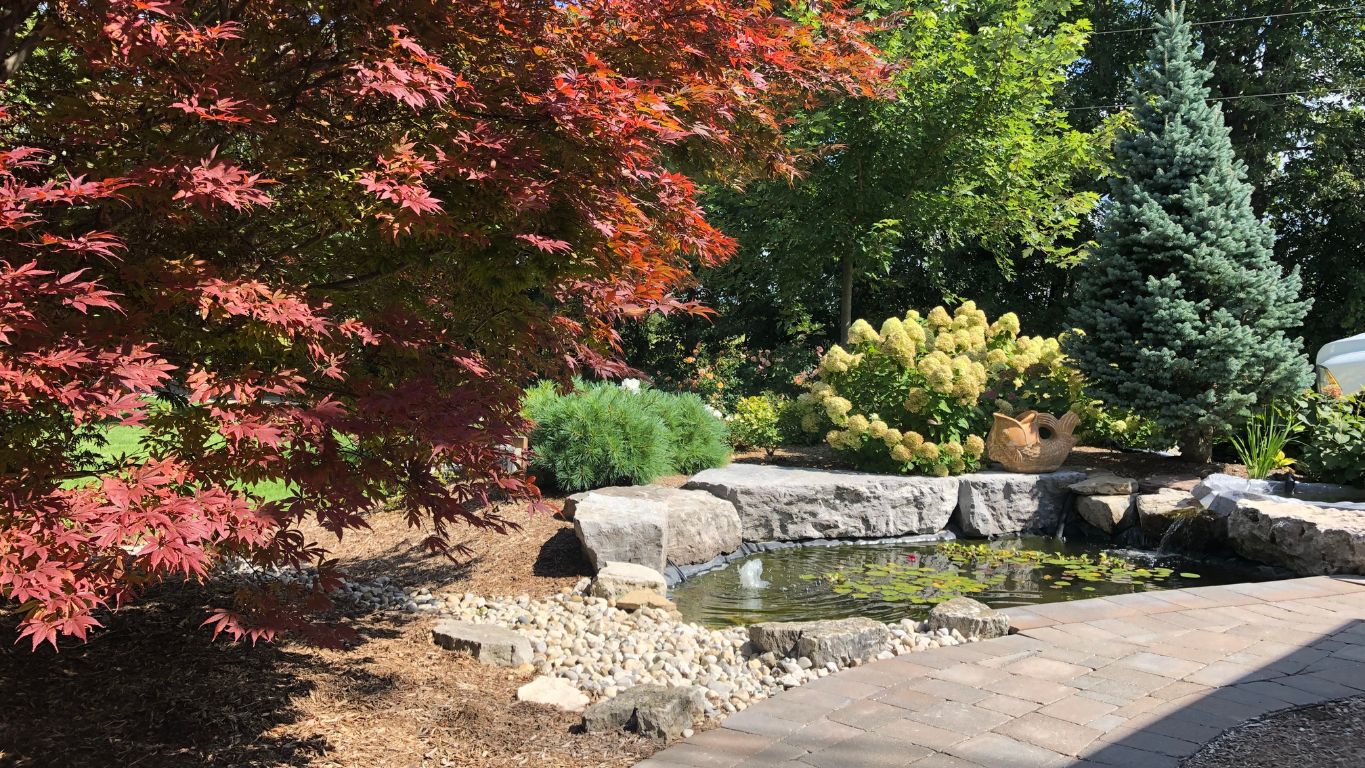
  • Decorative Tree: Plant a unique tree, such as a Japanese maple, to serve as a year-round focal point.

Incorporate Hardscaping Elements

Hardscaping elements, such as retaining walls, garden beds, and stone features, can add depth and structure to your front yard. They also provide practical benefits, such as preventing soil erosion and defining different parts of your property. Consider:


  • Stone Walls: Use natural stone to create low walls that can double as seating areas.
  • Raised Beds: Raised garden beds can add height and variety to your landscaping, making it more visually appealing.

Use Mulch for a Polished Look

Mulch helps retain moisture, presses weeds, and gives your garden beds a clean and polished appearance. Mulches made from organic materials, such as bark chips or shredded leaves, also improve soil quality as they decompose. Apply mulch around plants and trees to create a neat look.

Incorporate Seasonal Colour

Adding plants that bloom in different seasons ensures your front yard remains vibrant and attractive throughout the year. Plan your garden with a mix of spring bulbs, summer perennials, and fall-blooming flowers. Some suggestions include:


  • Tulips and Daffodils: Brighten your yard in spring with these cheerful bulbs.
  • Daylilies and Lavender: Add summer colour and fragrance with these hardy perennials.
  • Chrysanthemums and Asters: Enhance your fall garden with these colourful blooms.

Add Edging for Definition

Edging your garden beds and pathways can give your front yard a well-defined and organized appearance. Use materials like stone, brick, or metal to define different areas of your landscape. Edging also helps keep grass and weeds from encroaching on your garden beds.

Incorporate Vertical Elements

Vertical elements can add height and interest to your front yard landscaping. Trellises, arbours, and pergolas can support climbing plants and create a more dynamic and layered look. Consider:


  • Climbing Roses: Train roses to climb a trellis or arbour for a romantic and classic appearance.
  • Vines: Fast-growing vines like clematis or ivy can quickly cover structures and add lush greenery.

Use Evergreen Plants for Year-round Appeal

Consider planting evergreen shrubs and trees in your landscape to ensure your front yard remains attractive even in winter. Evergreens provide structure and colour when other plants have gone dormant. Some options include:


  • Boxwood: A versatile shrub that can be trimmed into various shapes.
  • Spruce and Pine Trees: Add height and a sense of permanence with these classic evergreens.


Conclusion

Using these front yard landscaping ideas, you can create an inviting and visually stunning entrance in Guelph. Thoughtful planning and the right mix of plants, hardscaping elements, and seasonal colour will enhance curb appeal and provide year-round beauty.

For professional Guelph landscaping services and expert advice, consider contacting Garafraxa Turf. We can help you design and maintain the perfect front yard tailored to your needs and preferences.

Best Grass-Cutting Practices to Prevent Weeds in Guelph

Maintaining a beautiful lawn in Guelph can be challenging, especially when keeping weeds at bay. One effective strategy for weed prevention is keeping your grass cut at the right height. Understanding the best grass cutting  practices enhances your lawn’s aesthetic appeal and promotes healthier, more resilient grass that can naturally suppress weeds.


Understanding Grass Heights and Weed Prevention

The height at which you cut your grass significantly influences its health and ability to combat weeds. When cut too short, grass stresses plants, making them more susceptible to diseases, drought, and weed invasion. Conversely, allowing grass to grow too long can create an inviting environment for pests and decrease the lawn’s overall visual appeal.

The ideal height for most grass types commonly found in Guelph, such as Kentucky bluegrass, fescue, and perennial ryegrass, is 2.5 to 3.5 inches. Maintaining this height helps your grass develop a robust root system and retain moisture, making growing weeds more challenging.


Benefits of Optimal Grass Height

  1. Improved Root Development: Longer grass blades foster more profound root growth. This robust root system helps the grass access nutrients and water more efficiently, enhancing its resistance to weeds.
  2. Shade and Cooling: Grass blades cut at the optimal height provide better ground cover, shading the soil and keeping it more relaxed. This environment discourages weed seeds from germinating, as they require warmth and sunlight to thrive.
  3. Enhanced Photosynthesis: Taller grass has more leaf area for photosynthesis, the process by which plants produce the energy they need to grow. This increased energy production supports a healthier, thicker lawn that can outcompete weeds.


Practical Grass-Cutting Tips for Guelph Lawns

To maintain your lawn at the ideal height, follow these practical mowing tips:

  1. Regular Mowing Schedule: Aim to mow your lawn once a week during the growing season. Regular mowing keeps your grass at the optimal height and prevents it from becoming too long and unruly.
  2. Adjust Mower Height: Set your mower to 2.5 to 3.5 inches. This setting will vary depending on your grass type and seasonal growth patterns. Consider raising the mower height slightly when the weather is hot and dry to reduce stress on the grass.
  3. Sharp Blades: Make sure your mower blades are sharp. Dull blades can tear the grass, leading to a ragged appearance and making the lawn more vulnerable to disease and pests.
  4. Mow Dry Grass: Try to mow when the grass is dry. Wet grass can clump and cause an uneven cut, harming your lawn’s health and appearance.
  5. Leave Clippings: Consider leaving grass clippings on your lawn. The clippings act as a natural mulch, returning nutrients to the soil and retaining moisture.


Seasonal Considerations

In Guelph, seasonal changes can affect how you should approach grass-cutting:


  • Spring: Begin mowing when the grass reaches about 3.5 inches. This height ensures the lawn is healthy and ready to start the growing season strong.
  • Summer: Raise your mower height slightly to help your grass withstand heat and dry conditions. Keeping the grass around 3.5 inches will provide shade and moisture retention.
  • Fall: Gradually lower the mower height as the growing season winds down. This practice helps prepare the lawn for winter, reducing the risk of snow mould and other winter diseases.


Conclusion

Maintaining the optimal height for your grass is a simple yet effective way to prevent weeds and promote a lush, healthy lawn in Guelph. By following these guidelines, you can enjoy a vibrant green space that requires less maintenance and is more resistant to common lawn problems.

For professional lawn care services, including expert grass cutting, consider contacting Garafraxa Turf. Count on our experienced team to help you achieve and maintain the perfect lawn.

Maximizing Small Outdoor Spaces with Smart Landscaping in Guelph

When it comes to landscaping in Guelph, maximizing small outdoor spaces requires a blend of creativity and practicality. Thoughtful landscaping will transform it into a beautiful and functional area, No matter the size of your backyard, patio, or front yard. Here are some effective strategies to maximize your small outdoor space.


Vertical Gardening

One of the best ways to maximize space in a small garden is to go vertical. Vertical gardening involves growing plants upward instead of outward, saving valuable ground space. Trellises, wall-mounted planters, and hanging baskets are excellent tools for this approach. In Guelph, where many homes have smaller yards, vertical gardening can help create a lush, green environment without taking up much room.


Multi-Functional Furniture

Choosing multi-functional furniture can significantly enhance the usability of your outdoor space. You can select multi-purpose pieces, such as benches with storage compartments or tables that can be expanded. This saves space and reduces clutter, making your garden area feel more open and inviting.


Layered Planting

Layered planting involves planting plants of varying heights to create depth and interest in your garden. For example, if you plant tall plants at the back and shorter plants at the front, your small space can appear larger. In Guelph, consider using a mix of native plants, perennials, and annuals to create a dynamic and visually appealing landscape.


Smart Use of Colour

A garden’s colour can significantly impact the feeling of spaciousness your garden feels. Lighter colours make areas appear larger, while darker shades can create a more intimate atmosphere. In a small outdoor space, using a light colour palette for furniture, fencing, and even plant choices can help make the area seem more expansive. In Guelph’s diverse climate, you can experiment with various colourful blooms throughout the seasons to keep your garden vibrant.


Incorporate Mirrors

Using mirrors can help you appear to have more space. By strategically placing mirrors on walls or fences, you can reflect light and the surrounding greenery, making your small garden appear more extensive and open. This technique works particularly well in narrow areas or corners with more light and depth.


Create Zones

Creating distinct zones can make the area feel more organized and functional, even in a small space. You might have a dining area, a lounging spot, and a small garden bed, each serving a different purpose. Using various materials or plants to define these zones can help break up the space and make it feel larger. In Guelph, where seasonal changes are significant, having flexible zones can also allow you to adapt your space for different times of the year.


Opt for Foldable or Stackable Items

Foldable or stackable garden furniture and accessories are ideal for small spaces. They can be easily stored away when not in use, freeing up space for other activities. This approach is beneficial in Guelph, where winter months may require packing away outdoor items to protect them from the elements.


Use Reflective Surfaces

In addition to mirrors, other reflective surfaces, such as glass tables, shiny metal planters, and water features, can help bounce light around your garden. This brightens the area and gives the illusion of more space. Also, make sure you add a touch of elegance and modernity to your Guelph garden, making it a pleasant place to relax and entertain.


Prioritize Pathways

Pathways are essential for navigating and enjoying small gardens. Opt for narrow, winding paths to add a sense of intrigue and exploration. Materials like gravel, stepping stones, or wood can give your garden design texture and interest. In Guelph, pathways can be designed to remain functional even during the snowy months, ensuring year-round usability.


Embrace Minimalism

Finally, embracing a minimalist approach can significantly benefit small outdoor spaces. Invest in quality over quantity by choosing a few pieces of furniture and plants you love. This approach helps prevent overcrowding and maintains a clean, organized look. In a city like Guelph, where outdoor space may be at a premium, minimalism ensures you get the most enjoyment out of your garden without feeling cramped.


Conclusion

Maximizing small outdoor spaces in Guelph with innovative landscaping techniques can transform even the tiniest yard into a beautiful and functional area. You can create a much larger and more inviting space by incorporating vertical gardening, multi-functional furniture, layered planting, and other clever strategies. Remember, quality over quantity is critical, and a well-planned garden can bring joy and relaxation regardless of size. For expert assistance about landscaping in Guelph, trust Garafraxa Turf to deliver professional and creative solutions tailored to your needs.

Cut Your Grass This Summer! – A Guide

Introduction

Keeping a lush, green lawn is not just about aesthetics; it reflects the care and attention you give to your outdoor space. At GaraFraxa, we recognize the significance of a well-maintained lawn, particularly during the summer months. In Guelph, grass cutting is a vital part of lawn care that ensures your lawn stays healthy, vibrant, and free from weeds. This guide will offer you detailed tips on how to effectively cut your grass during the summer, ensuring your lawn flourishes all season long.

Importance of Regular Grass Cutting

Regular grass cutting is essential for a healthy lawn. Each trim encourages the growth of thick, sturdy grass blades, giving your lawn a lush look. Additionally, consistent mowing helps prevent weeds and boosts the grass’s resistance to diseases. By mowing regularly and employing proper techniques, you can enhance the grass’s resistance to fungal infections and other common lawn problems.

Choosing the Right Equipment

Using the appropriate equipment is key to effective grass cutting. Here are some tips for selecting and maintaining your lawn mower:

  • Sharp Blades: Ensure your lawnmower blades are sharp for clean cuts. Sharp blades reduce trauma to the grass, allowing it to heal quickly and remain less vulnerable to diseases.
  • Type of Lawnmower: Depending on your lawn’s size and your personal preference, you can choose from battery-powered, petrol engine, push-type, or self-propelled lawn mowers. Select a mower with a width that matches the area you are working on for maximum efficiency.
  • Avoid Wet Grass: Never cut wet grass. Wet grass can clog the mower blades and lead to an uneven cut. Always mow when the grass is dry.

How Much Should You Cut?

The amount of grass you cut is crucial for its health. Generally, you should never cut more than one-third of the grass blade’s height at a time. During the summer, it’s advisable to keep the grass slightly taller to help it withstand the heat and drought conditions typical of Guelph summers. Here are the recommended heights for different grass species:

  • Festuca: 10-15 cm
  • Lolium: 8 cm
  • Poa: 7 cm
  • Cynodon dactylon: 6 cm

Taller grass offers better protection against heat, drought, and diseases. It also helps retain soil moisture and protects the growth point of the grass blades.

When to Cut Your Grass

The frequency of grass cutting is influenced by various factors, such as the type of grass, the purpose of the lawn, the season, and the amount of irrigation and fertilization it receives. From June to September, it is advisable to let the grass grow a little taller and reduce the mowing frequency. A general guideline is to mow every 10-20 days during these months. The best time to cut your grass in hot weather is in the late afternoon, after 5 pm, when temperatures are lower.

After Mowing Care

Post-mowing care is essential to maintaining a neat and healthy lawn. After mowing, trim the edges along walls, paths, and around trees and flower beds using traditional grass shears or a brush cutter. Regularly cleaning and servicing your lawnmower is also crucial to keep it in optimal working condition.

Tips to Help Your Lawn Beat the Heat

To keep your lawn healthy and vibrant during Guelph’s hot summer months, consider the following tips:

  • Watering: Deep, infrequent watering encourages deep root growth. According to local recommendations, water your lawn once a week, applying about 1 inch of water. Use a sprinkler and place a measuring cup at a distance to measure the water. Typically, it takes 45 minutes to an hour to provide 1 inch of water.
  • Feeding: Feed your lawn regularly to maintain soil nutrient levels. Apply fertilizer every 6 to 8 weeks, but avoid doing so during drought conditions or when the lawn is dormant.

Professional Grass Cutting Services

If you want to have the best results, hiring a professional grass-cutting service is a good choice. At GaraFraxa, we offer expert grass-cutting services in Guelph to ensure your lawn receives the best care. We are experienced professionals equipped with state-of-the-art equipment to handle all your lawn care needs. We provide customized lawn care programs tailored to your property’s requirements, including weeding, pruning, trimming, and nurturing.

Grass cutting is a crucial aspect of lawn care, especially during the summer months in Guelph. By following the tips outlined in this guide, you can maintain a healthy, lush lawn that enhances the beauty of your outdoor space. For professional grass cutting in Guelph, trust GaraFraxa to deliver outstanding results. Contact us today at 519-787-2522 to schedule a consultation and let us help you achieve the lawn of your dreams.